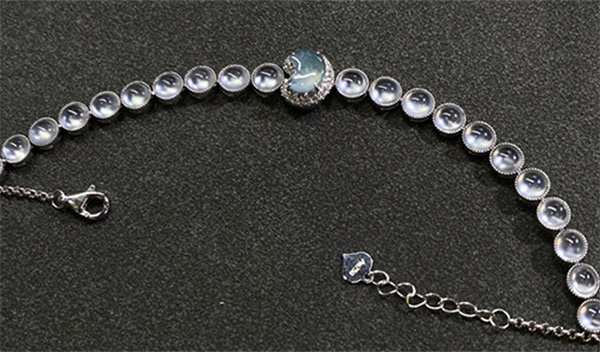
Malaysian jade is one of the most common imitation jade materials sold in markets and online shops worldwide. Despite its name, it is not jade at all — it is dyed green quartzite, a cryptocrystalline quartz that has been artificially colored to mimic the appearance of genuine jadeite. Understanding the jade vs malaysian jade difference is essential for anyone shopping for jade jewelry, because Malaysian jade is frequently marketed as real jadeite at inflated prices, costing unsuspecting buyers hundreds of dollars for what is essentially colored stone. In this guide, we walk through four practical tests you can perform at home or in a store to confidently distinguish dyed quartzite from authentic jadeite and avoid costly mistakes.
Jade vs Malaysian Jade Difference: 4 Easy Ways to Spot Dyed Quartzite
1. Color Inspection
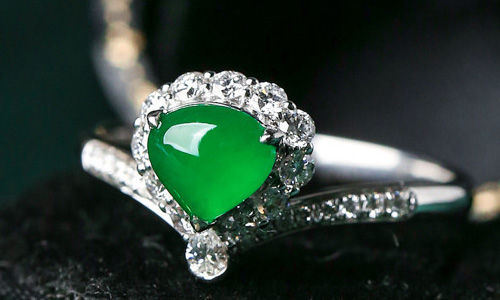
The most obvious clue is the color. Malaysian jade has an unnaturally bright, uniform green that lacks the subtle variations and depth found in natural jadeite. Under a 10× loupe or jeweler’s magnifier, the dye often concentrates in tiny surface cracks and grain boundaries, creating a distinctive spiderweb or color-concentration pattern that is a dead giveaway. Natural jadeite, by contrast, shows depth, color zoning, and subtle tonal shifts across the stone — characteristics that dyed quartzite simply cannot replicate. Pay special attention to the intensity of the green: if it looks too perfect, too vivid, or completely even across the entire piece without any natural variation, it is almost certainly not genuine jadeite.
2. Weight and Density Test
Malaysian jade is dyed quartzite with a specific gravity of approximately 2.65 g/cm³, while jadeite ranges from 3.30 to 3.38 g/cm³. This roughly 25 percent difference in density means genuine jadeite feels noticeably heavier in the hand for a piece of the same size and shape. You can perform a simple comparison by holding a known jadeite item in one hand and the suspected Malaysian jade in the other — the real jadeite will feel distinctly denser and more substantial. For more precise results at home, a hydrostatic weighing test using a digital scale, a cup of water, and a thin thread can confirm the specific gravity. Weigh the stone in air, then suspend it in water and weigh again. Apply the formula: specific gravity = weight in air ÷ (weight in air − weight in water). A result near 2.65 confirms quartzite; a result above 3.30 points to genuine jadeite.
3. Surface Texture Examination
Under magnification, the jade vs malaysian jade difference becomes evident in the surface texture. Malaysian jade may show a slightly granular or sugary texture due to its quartzite composition, while genuine jadeite displays a smooth, tightly interlocking crystalline structure that polishes to a finer finish. Run your fingernail gently across the surface — dyed quartzite can feel subtly rougher or less finely polished than jadeite, especially along edges and carved details. Over time, the dye layer on Malaysian jade may also develop tiny pits, wear spots, or uneven patches that genuine jadeite does not exhibit. These textural clues are especially reliable when combined with the color and density tests described above.
4. Price Red Flags
Malaysian jade is very inexpensive, typically sold for just a few dollars per piece at markets, tourist shops, and online marketplaces. If a seller offers a “jade” bracelet or pendant for an extremely low price — often under ten dollars — it is almost certainly dyed quartzite rather than genuine jadeite. Authentic jadeite jewelry commands premium prices because of its rarity, durability, and deep cultural significance across East and Southeast Asia. The price gap is one of the fastest screening tools available to any buyer — if the deal seems too good to be true, it probably is. Always ask for a lab certificate from a reputable gemological institute such as GIA before making any significant jade purchase, and be wary of sellers who cannot provide one.
Frequently Asked Questions
Is Malaysian jade real jade?
No. Malaysian jade is not real jade. It is dyed green quartzite — a type of cryptocrystalline quartz that has been artificially colored to imitate jadeite. It contains no jadeite or nephrite minerals whatsoever, and it does not possess the durability, luster, or cultural value of genuine jade.
Why is it called Malaysian jade?
The name “Malaysian jade” is purely a marketing term designed to suggest a connection to jade. It does not originate from Malaysia specifically and has no geological relationship to genuine jadeite. Sellers use the name to make dyed quartzite sound more exotic and valuable than it actually is.
Does the dye in Malaysian jade fade?
Yes. The dye used in Malaysian jade can fade over time, especially with prolonged exposure to sunlight, heat, or common household chemicals such as soap, perfume, and cleaning products. This fading is a clear distinction — genuine jadeite’s color is natural and permanent, requiring no dye and showing no color loss over decades of wear.
Knowing the jade vs malaysian jade difference protects you from paying jadeite prices for dyed quartzite. By checking color uniformity, testing weight and density, examining surface texture, and watching for price red flags, you can shop with confidence. Visit our Shop for certified jadeite, explore our jade ring collection, or browse our jade pendant selection. For more on gemstone authentication, read GIA.