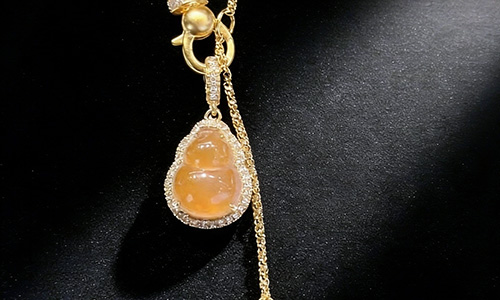
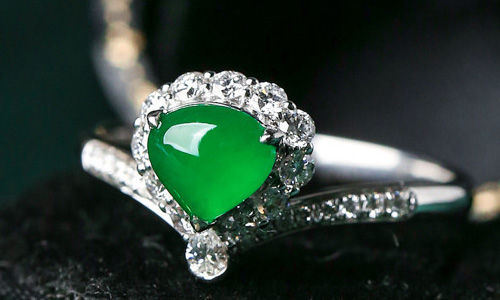
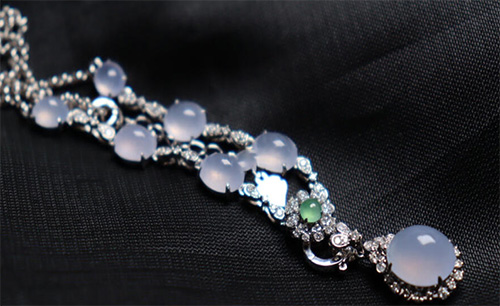
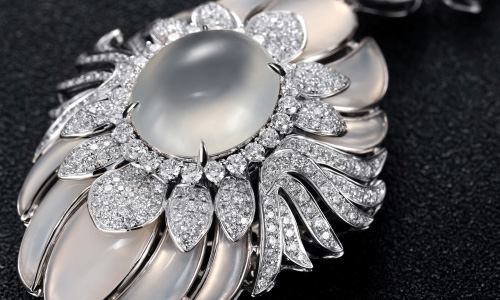
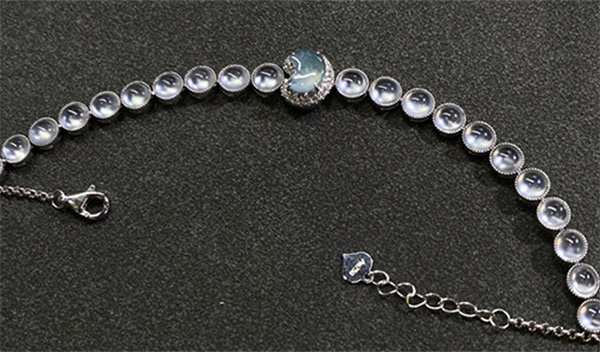
Chrysoprase, often sold as “Australian jade,” is one of the most convincing jadeite lookalikes on the market, and understanding the jade vs chrysoprase difference can save you hundreds — sometimes thousands — of dollars. While both stones display gorgeous green hues, they belong to completely different mineral families with distinct properties, price points, and cultural histories. Here are 5 reliable ways to tell them apart before you buy, whether you are shopping online or at a gem fair.
Jade Vs Chrysoprase Difference: What Makes These Green Gems So Easy to Confuse
Both jadeite and chrysoprase can show a vivid, apple-green color that looks nearly identical in a display case. Chrysoprase is a variety of chalcedony (microcrystalline quartz) colored by nickel, while jadeite is a pyroxene mineral colored by chromium. The similarity in color is why dealers sometimes market chrysoprase as “Australian jade” — a name that confuses buyers into thinking they are purchasing genuine jadeite. According to the GIA, this misidentification is one of the most common problems in the green gemstone market.
5 Reliable Tests That Reveal the Difference
1. The Weight Test — Pick It Up and Feel the Heft
Jadeite has a specific gravity of 3.30–3.38, while chrysoprase sits at just 2.58–2.64. When you hold a similarly sized piece of each, jadeite feels noticeably heavier and denser. This weight difference is one of the quickest practical checks you can do without any tools. If a “jade” piece feels surprisingly light for its size, that alone should raise a flag.
2. The Surface Texture Test — Look Under a Loupe
Under 10× magnification, jadeite reveals an interlocking fibrous or granular crystal structure, often described as “sugary” or “matted.” Chrysoprase shows a much more uniform, waxy-lustre surface with no visible crystal pattern. This textural contrast is a strong indicator. Browse our jade ring collection to see what genuine jadeite surfaces look like up close.
3. The Color Uniformity Test — Is It Too Perfect?
Natural jadeite almost always shows some degree of color zoning — subtle variations in tone and saturation across the stone. Chrysoprase tends to display a remarkably uniform, even color throughout. If the green looks impossibly consistent with no natural variation, you may be looking at chrysoprase rather than jadeite.
4. The Scratch Resistance Test — Hardness Matters
Jadeite ranks 6.5–7 on the Mohs scale; chrysoprase sits at 6.5–7 as well, so hardness alone will not separate them. However, jadeite’s interlocking crystal structure makes it significantly tougher and more resistant to chipping. A steel knife (5.5 Mohs) cannot scratch either stone, but a chrysoprase cabochon may develop surface wear faster over years of daily use. Explore our jade pendant selection for pieces built to last generations.
5. The Price Reality Check — Trust Your Instincts
Fine chrysoprase typically sells for $20–$100 per carat, while top-grade imperial jadeite can command $10,000+ per carat. If a seller offers “imperial jade” at a price that seems too good to be true, it probably is. Knowing the price gap in the jade vs chrysoprase difference protects your wallet and your expectations.
Why Sellers Confuse the Two — and How You Can Stay Safe
The main reason chrysoprase gets labeled as jade is economic: “jade” commands a far higher price than “chalcedony.” Some sellers are genuinely confused themselves, while others exploit the naming loophole deliberately. Australian chrysoprase is a beautiful gemstone in its own right, and there is nothing wrong with buying it — as long as you know what you are paying for. Always request a lab certificate from a reputable gemological institute when purchasing expensive green stones.
Frequently Asked Questions
Is Australian jade real jade?
No. “Australian jade” is a trade name for chrysoprase, which is chalcedony (quartz), not jadeite or nephrite. It is a legitimate gemstone, but it is not true jade.
Can chrysoprase pass a gemological test?
Chrysoprase is easily distinguished from jadeite by any certified gemologist using standard tools such as a refractometer or spectroscope. The optical and physical properties are clearly different.
Is chrysoprase worth buying?
Absolutely — as long as you pay a chrysoprase price, not a jadeite price. Fine Australian chrysoprase is vivid, durable, and beautiful. Just make sure the label matches the stone.
Understanding the jade vs chrysoprase difference keeps your collection authentic and your spending honest. Shop certified jadeite at the CT Jewel Shop and buy with confidence.