Understanding what separates a $50 jade bracelet from a $5,000 one is the key to buying with confidence and avoiding costly mistakes. A proper jade quality grading guide helps you evaluate color, transparency, texture, and craftsmanship — the four factors that determine a piece’s true value. Whether you are purchasing your first Feicui or adding to an existing collection, knowing how to assess quality protects your investment and ensures you get exactly what you pay for.
Jade Quality Grading Guide: 7 Factors That Determine Value
1. Color Intensity and Evenness
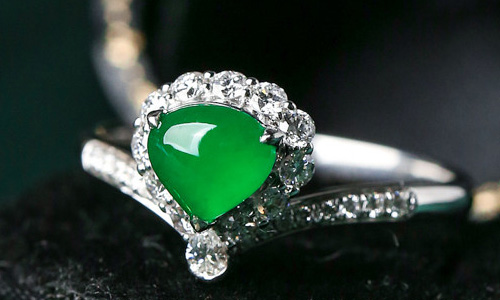
Color is the most visible and impactful quality factor in jadeite. The most valued color is “imperial green” — a vivid, saturated green with even distribution throughout the stone. However, lavender, bright white, yellow, and black jadeite each have their own markets and collectors. The key quality indicators are saturation (how vivid), tone (not too dark, not too light), and evenness (consistent color without muddy patches). According to Lotus Gemology, even slight variations in iron and chromium content create the full spectrum of jadeite colors.
2. Transparency and Water Head
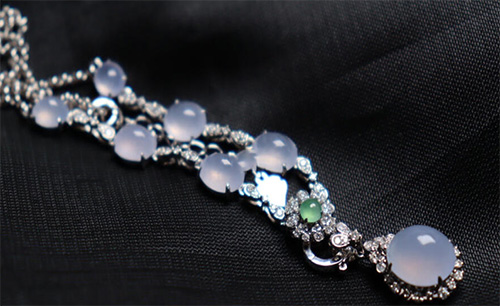
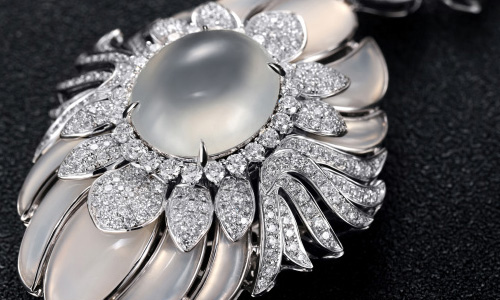
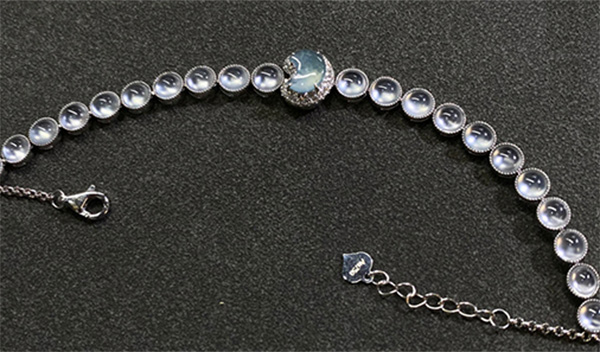
In the jade trade, transparency is often called “water” or “water head.” High-quality Feicui allows light to penetrate the surface, creating a luminous, almost glowing effect. The scale ranges from opaque (no light penetration) through semi-translucent to fully transparent. More transparency generally means higher value, all else being equal. A deeply colored piece with good transparency commands the highest prices in the market. Browse our jade bangle collection to see how transparency varies across pieces.
3. Texture and Grain Structure
High-quality jadeite has a fine, compact grain structure that feels smooth and almost glassy to the touch. Lower-grade pieces show visible grain, a sugary or sandy texture, or uneven surface feel. The best Feicui has an interlocking crystal structure that makes it both smooth-looking and incredibly tough. Run your fingernail gently across the surface — premium jadeite feels seamless, while lower grades may feel slightly rough or granular.
4. Treatment Category (A, B, C)
Any thorough guide must address treatments, which dramatically affect value and longevity. Type A jadeite is completely natural — only cut and polished, no chemical treatment. Type B has been acid-bleached and polymer-impregnated to improve appearance. Type C has been dyed to enhance or change color. Only Type A represents a sound investment. Type B and C are affordable but will not appreciate and may deteriorate over time. Always request certification when purchasing high-value pieces.
5. Craftsmanship and Carving Quality
For carved jade pieces, the quality of workmanship directly impacts value. Precision carving shows clean lines, consistent depth, smooth curves, and well-defined details. Sloppy carving has rough edges, inconsistent proportions, or visible tool marks where the artisan rushed. A masterful carving can elevate a medium-quality stone into a work of art, while poor carving diminishes even excellent material. Explore our jade pendant shop for examples of quality craftsmanship.
6. Size and Proportion
Larger pieces of high-quality jadeite are exponentially rarer and more valuable per gram than smaller pieces. A bangle requires a large, flawless section of rough stone, which is why premium bangles command significantly higher prices than bracelets or small pendants. However, size alone does not determine value — a large piece with poor color and heavy treatments is worth less than a small, vivid, transparent Type A pendant.
7. Certification and Provenance
Reputable dealers provide gemological certification from recognized laboratories that confirm the jadeite type (A, B, or C), natural color, and any treatments. Certificates from GIA, Lotus, or NGTC (National Gemological Testing Center of China) carry the most authority. Provenance — documented history of where the jade was sourced — adds value for collector-grade pieces and provides assurance of authenticity.
Practical Buying Tips
When evaluating jade in person, always examine pieces under natural daylight if possible. Store lighting can shift color perception significantly. Hold the piece up to the light to assess transparency. Compare it side-by-side with other pieces at similar price points to develop your eye. And remember — the jade quality grading guide is a framework, not a rigid formula. Personal preference for color and style matters as much as technical grading when choosing a piece you will treasure and wear.
Confident jade buying comes from knowledge and trusted sources. Take time to learn the quality indicators, ask questions, and never rush a significant purchase. Visit the CT Jewel shop for curated Feicui pieces selected for quality, beauty, and lasting value.
Frequently Asked Questions
Can I tell if jade is Type A without lab testing?
Not with complete certainty. You can look for clues — Type A jade feels heavier than it looks, has a cool touch, and produces a clear resonant sound when gently tapped. But only laboratory testing with spectroscopy can confirm treatment status definitively.
Is darker green jade always more valuable?
No. The most valuable green is vivid and saturated but not so dark that it appears black under normal light. Medium-tone imperial green with high transparency commands the highest prices. Very dark jade that looks almost black in normal lighting is typically less valuable.
Why do some jade pieces look oily or waxy?
An oily or waxy appearance can indicate Type B treatment, where polymer fills surface-reaching fractures. Natural Type A jadeite has a vitreous (glassy) luster rather than waxy. If a piece looks unnaturally shiny or slick, ask about treatment history before purchasing.
Armed with this jade quality grading guide, you can approach every purchase with clarity and confidence. Quality knowledge is your best protection in the jade market. Start building your collection with assurance at the CT Jewel shop.