The Art of Jade Jewelry Setting: More Than Meets the Eye
When we admire a piece of jade jewelry, our attention naturally focuses on the stone itself. Yet the setting holding that jade in place represents an art form equally worthy of appreciation. Jade stone setting techniques have evolved over centuries, each method developed to enhance specific qualities of this remarkable gemstone while ensuring lasting security.
Understanding jade setting craft techniques transforms how we evaluate and select pieces. A poorly set jade loses beauty over time; an expertly set jade maximizes brilliance while protecting the stone for generations. The difference lies entirely in technique mastery.
Prong Setting: Maximizing Light and Visibility
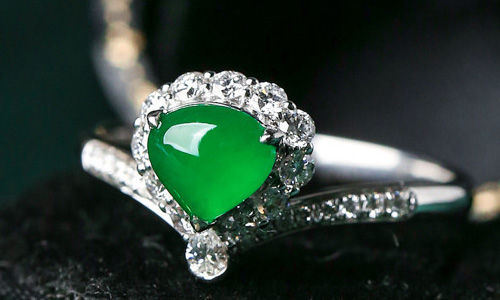
Prong setting ranks among the most popular jade jewelry mount techniques, and for good reason. By using small metal claws to hold the jade in place, this method maximizes the stone visible surface. Light passes through jade freely, enhancing its natural translucency and inner glow.
Typical prong settings use four or six prongs depending on jade shape and size. Round stones generally favor four prongs at compass points. Oval or marquise shapes might use six for added security. The metal selection prong setting typically uses gold or platinum, with yellow gold being particularly popular for jade.
Bezel Setting: Protection with Elegance
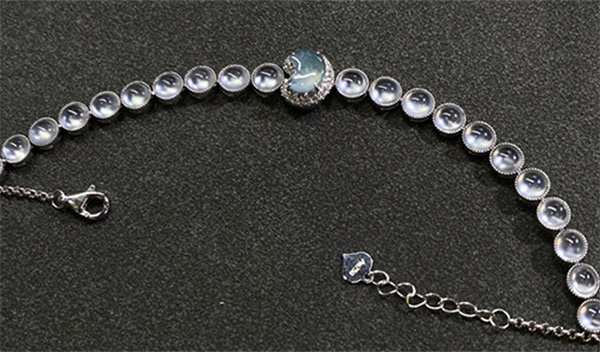
Bezel setting represents perhaps the most protective jade jewelry setting technique available. A metal rim surrounds the jade entirely, holding it securely while shielding edges from impact. This method suits active lifestyles where jewelry might encounter bumps and knocks.
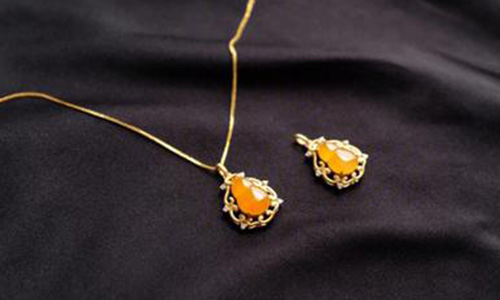
The bezel itself can be plain or decorated. A simple gold bezel emphasizes jade purity and simplicity. Alternatively, ornate bezels featuring engraving, filigree, or additional gemstones transform basic protection into luxurious decoration. An orange-yellow jade teardrop pendant in a gold floral setting demonstrates how bezel settings can become beautiful design elements themselves.
Flush Setting: Modern Minimalism
For those seeking ultra-modern jade mounting style, flush mounting offers clean contemporary lines. The jade sits recessed into the metal surface, creating a smooth, integrated appearance. This technique works particularly well for jade jewelry meant for everyday wear.
Flush setting requires precise stone preparation and skilled craftsmanship. The jade must fit perfectly into its mounting; any gap creates vulnerability. When executed properly, flush-set jade becomes virtually maintenance-free, with no raised edges to catch on clothing or skin.
Open Back Settings: Light Enhancement
Innovative jade setting technique techniques increasingly incorporate open-back designs that allow light to pass through from behind the stone. This approach maximizes jade translucency, creating luminous effects impossible with traditional closed settings.
An open-back teardrop pendant setting might feature delicate metalwork framing only the stones edges, leaving the center entirely open. This design philosophy recognizes that jade beauty emerges through light interaction, and smart setting techniques enhance rather than impede that relationship.
Intricate Settings: Lattice and Pierced Work
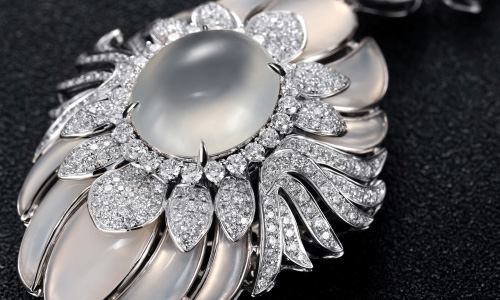
The most elaborate jade jewelry setting techniques involve lattice, pierced, or openwork metal patterns. These intricate settings create visual complexity through metalwork itself, not just through gemstone placement. Light passes through metal openings, creating interplay between material and void.
These elaborate jade stone setting techniques demand exceptional craftsmanship. Each opening must be precisely cut and finished; each joint must be perfectly soldered. The result justifies the effort: pieces where metal and jade share equal visual importance, creating overall effects greater than either could achieve alone.
The Significance of Setting Metal Choice
Jade setting craft techniques interact intimately with metal selection. Yellow gold provides warmth and classical appeal. White gold or platinum offers cooler sophistication. Silver presents an affordable option for less formal pieces.
Each metal affects jade appearance differently. Gold amplifies jade warm tones; silver tends to emphasize green. The setting metal should complement rather than compete with jade natural coloring. Some collectors prefer settings that contrast with their jade for visual drama; others choose harmony for unified appearance.
Traditional Versus Contemporary Setting Approaches
Traditional jade jewelry mount often emphasized heavy metalwork that dominated the overall design. Contemporary approaches increasingly prioritize the jade itself, using settings that support without overwhelming. This shift reflects changing aesthetic preferences toward quieter elegance.
Neither approach is inherently superior. Traditional settings offer grandeur and historical connection. Contemporary settings allow jade purity to shine. Many modern pieces blend approaches, using traditional craftsmanship techniques to execute contemporary design visions.
Maintenance and Longevity
Regardless of technique chosen, proper jade jewelry setting maintenance ensures lasting beauty. Prong settings require periodic inspection to ensure claws remain tight. Bezel settings benefit from occasional cleaning around edges. Professional maintenance every few years helps identify potential issues before they cause stone loss. For a stunning example, see our jade gourd pendant.
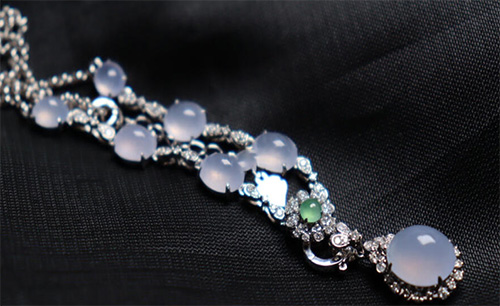
For those seeking educational resources about jade quality assessment, Lotus Gemology provides comprehensive guidance that complements understanding of setting techniques. For a stunning example, see our icy jade ring.
Finding Perfectly Set Jade Jewelry
The right jade mounting style technique depends entirely on individual needs and preferences. Consider lifestyle, aesthetic goals, and budget when selecting pieces. Explore our jade collection to discover pieces featuring various setting techniques.
The finest jade setting technique does more than hold a stone in place. It elevates jade natural beauty, creating harmony between gemstone and metalwork. When technique and material unite perfectly, the result transcends simple decoration to become genuine art.