Every color of jade carries its own story, symbolism, and emotional resonance. If you have ever wondered why imperial green is the most prized shade or what lavender jade actually represents, understanding jade color meaning will change how you choose and wear Feicui. This guide breaks down seven common jade colors and what each one communicates — so your next piece carries meaning alongside beauty.
Jade Color Meaning: 7 Shades and Their Symbolism
1. Imperial Green: Prosperity and Vitality
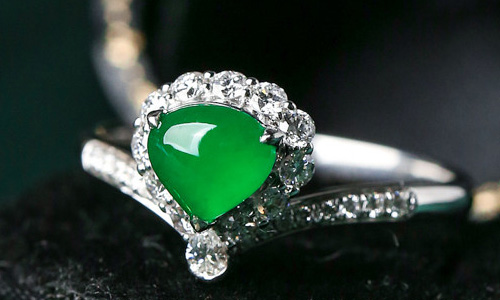
Imperial green is the most famous and valuable jade color for good reason. This vivid, saturated green — sometimes called emerald green — has been associated with wealth, prosperity, and life force for over 5,000 years in Chinese culture. The jade color meaning of imperial green traces back to the stone’s resemblance to fertile landscapes and thriving vegetation. Wearing imperial green Feicui signals abundance and good fortune. According to Lotus Gemology, the finest imperial green jadeite achieves its color from chromium traces, the same element that colors emeralds.
2. Lavender: Spirituality and Calm
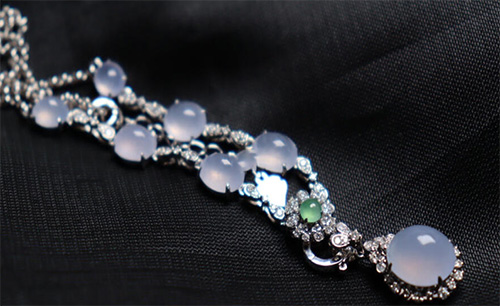
Lavender jade carries a softer, more introspective jade color meaning. Associated with spirituality, intuition, and inner peace, lavender Feicui is a favorite among meditators and those drawn to mindful living. Its gentle purple tone bridges the energy of green (growth) with the depth of blue (tranquility). A lavender jade pendant makes a thoughtful gift for someone navigating a life transition or seeking emotional balance. Explore our pendant collection for lavender options.
3. White: Purity and Clarity
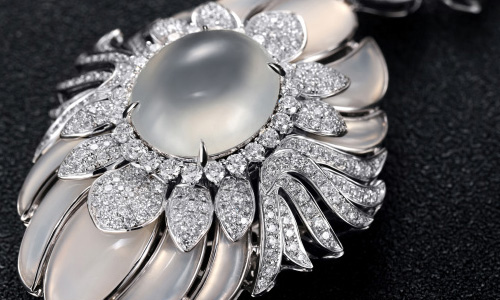
White jade — often nephrite rather than jadeite — symbolizes purity, moral clarity, and fresh beginnings. In Chinese tradition, white Feicui represents the unmarked potential of a blank canvas. It is often chosen for pieces that mark new chapters: graduations, new jobs, or personal transformations. The jade color meaning of white connects to honesty and simplicity, making it a popular choice for minimalist jewelry design.
4. Yellow: Optimism and Wisdom
Yellow jade radiates warmth, optimism, and intellectual energy. In Chinese culture, yellow historically represented the emperor and imperial authority — connecting this jade color meaning to wisdom, leadership, and confidence. Yellow Feicui is rarer than green, making it a distinctive choice for collectors who want something unusual. A yellow jade ring or pendant brings a sunny quality to neutral outfits and sparks curiosity from anyone who notices it.
5. Black: Protection and Grounding
Black jade may surprise people who think of jade as exclusively green. Dark Feicui — which can appear nearly black in low light — carries a jade color meaning rooted in protection and grounding. Many cultures believe black jade absorbs negative energy and provides a stabilizing presence. It is a popular choice for men’s jewelry and for anyone seeking a stone that feels strong and grounding rather than decorative.
6. Red: Courage and Passion
Red jade — more accurately described as reddish-brown or russet — symbolizes courage, passion, and life energy. The jade color meaning of red traces to its association with blood, fire, and vital force. Red Feicui is relatively uncommon and often appears as secondary coloring on multicolored pieces. A red jade accent adds warmth and boldness to a jewelry collection. Our necklace collection includes pieces with warm red tones.
7. Multicolor: Harmony and Balance
When a single piece of Feicui displays multiple colors — green, lavender, white, and yellow in one stone — it carries the jade color meaning of harmony and balance. Multicolor jade represents the integration of different life aspects: health, wealth, love, and wisdom working together. Collectors prize multicolor pieces because each one is truly unique. No two stones display the same pattern, making every piece of multicolor Feicui a natural work of art.
Choosing Jade by Color Meaning
Understanding jade color meaning helps you choose pieces with intention. Are you seeking prosperity? Imperial green. Spiritual growth? Lavender. A fresh start? White. The color you are drawn to often reflects what you need most right now. Trust that instinct — Feicui has a way of finding its way to the person who needs it. Visit the CT Jewel shop to find the jade color that speaks to you.
Frequently Asked Questions
Is one jade color more valuable than others?
Imperial green jadeite generally commands the highest prices due to demand and rarity. However, value depends on the full quality assessment: color saturation, transparency, texture, and craftsmanship all matter. A fine lavender or yellow piece can exceed a mediocre imperial green in value.
Does jade color change over time?
Genuine jadeite does not change color significantly with age. Some people believe their Feicui “grows” greener over years of wearing, which may be due to surface oils creating a subtle luster change. Avoid prolonged sun exposure and harsh chemicals to maintain original color.
How can I tell if jade color is natural or dyed?
Dyed jade often shows color concentration in cracks and uneven saturation under magnification. Natural Feicui has color distributed more organically. For valuable pieces, professional gemological testing is the only reliable way to confirm natural color — especially for imperial green, which is the most commonly imitated shade.
Whether you choose jade for its beauty, its meaning, or both, understanding jade color meaning adds depth to every piece you wear. Let intention guide your next Feicui selection. Explore meaningful jade colors at CT Jewel and wear a stone that says something about who you are.