3 Stages of the Jade Cutting Art That Reveal Nature Masterpiece
The jade that gleams in our hands begins as an unassuming rock, cloaked in a rough, weathered skin. The journey from raw stone to luminous treasure is not manufacturing — it is revealing. It is a patient art of dialogue with the material, and understanding the jade cutting art gives you a deeper appreciation for every piece you wear. According to the Gemological Institute of America (GIA), the quality of cutting and finishing is one of the most significant factors determining a jade piece value, second only to the stone itself.
Listening to the Stone Whisper
Each rough stone is like a closed book. Our master artisans spend hours, sometimes days, studying it — turning it in the light, wetting it to glimpse potential color and grain beneath the surface. They are searching for the perfect first sentence, deciding where to make the first cut to honor the stone soul and beauty. In this craft, this initial assessment is the most critical step. A wrong cut can destroy a vein of vibrant color or waste the most translucent portion of the stone. The artisan must understand the stone internal structure before the first diamond blade ever touches it. Our jade gourd pendant is the result of exactly this kind of careful dialogue between artisan and stone.
Roughing Out: Removing All That Is Not
Using diamond tools, the artisans begin to carefully peel away the rough skin. This requires a steady hand and absolute focus, as every cut is irreversible. They are not imposing a shape but following the stone internal grain, allowing a form to emerge naturally. Unlike gemstones like diamonds that are cut to standardized proportions for maximum brilliance, jade cutting art follows no fixed template. Each piece demands its own approach — the artisan reads the color zones, respects the natural fractures, and works with the stone rather than against it.
A skilled cutter can transform what appears to be an ordinary rock into a piece of breathtaking beauty simply by knowing what to remove and what to preserve. Every artisan develops an intuitive sense for the stone — a relationship built through years of practice and countless stones shaped. The best cutters often say that the stone tells them what it wants to become; their skill lies in listening carefully enough to hear. This stage can take from several hours to multiple days depending on the complexity of the stone.
Shaping and Polishing: From Form to Soul
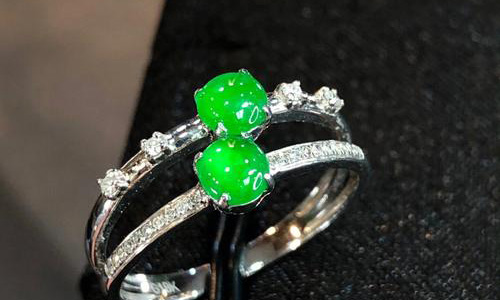
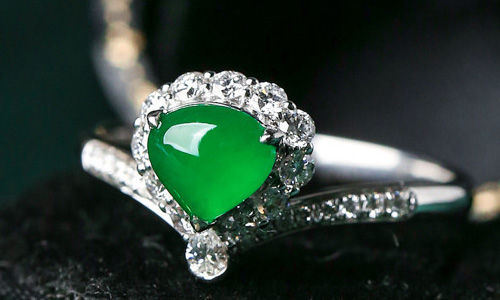
Once the basic form appears, finer tools take over. This is the stage of defining details and refining lines — the delicate curves of a gourd, the precise facets of a ring setting, the smooth arc of a bangle. Then comes polishing: dozens of hours or more of hand-rubbing with progressively finer pastes, from coarse grit to powder fine.
In this tradition, polishing is not merely making the surface smooth — it is the process of inviting light into the very heart of the stone until it glows with the soft, waxy luster we cherish. This signature glow, often described as glowing from within, cannot be achieved by machine polishing alone. It requires the sensitivity of human hands to feel when the surface has reached its perfect state. A well-polished jade ring catches light in a way that no other gemstone can replicate.
We Reveal, Not Create
We do not create the beauty. We respectfully remove what covers it, until its own light can no longer be ignored. This philosophy is the heart of jade cutting art — a tradition that stretches back thousands of years and continues to guide every piece in our collection. When you hold a finished jade piece, you are holding not just a gemstone but the result of a patient conversation between nature and human craft, a dialogue that began millions of years ago beneath the earth and concludes in your hands.