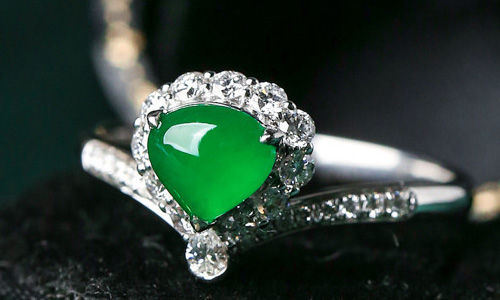
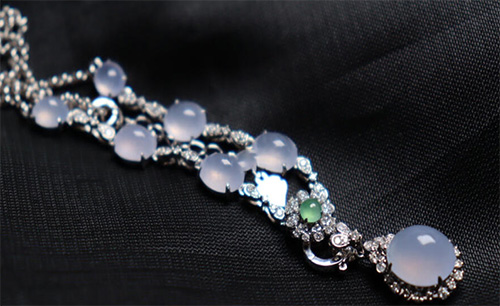
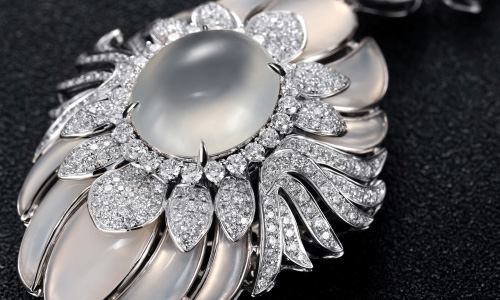
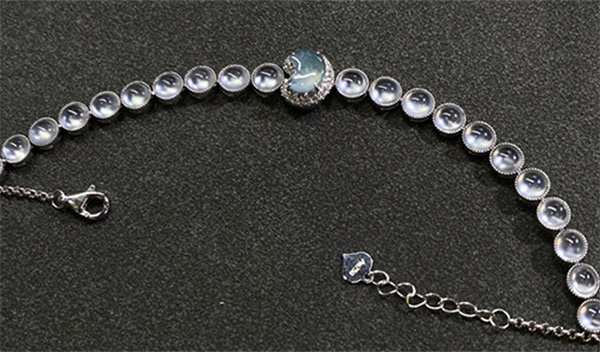
Beyond personal adornment and cultural symbolism, high-quality gemstone pieces have emerged as an alternative asset class, and jade jewelry for collectors investment is a topic that deserves serious consideration. Unlike mass-produced fashion accessories, fine pieces with exceptional color, transparency, and craftsmanship can appreciate in value over decades. Savvy collectors approach these acquisitions with the same rigor as art or fine wine investment. This guide outlines the key principles to help you build a collection that is both personally rewarding and potentially profitable.
Understanding Jade Jewelry for Collectors Investment Fundamentals
The value of these pieces is determined by several factors: color intensity, translucency, texture, craftsmanship, and provenance. The most prized variety—imperial green with high translucency—commands premium prices at auction. However, quality pieces in other colors such as lavender, icy white, and black also have dedicated collector bases.
It is important to distinguish between decorative-grade pieces suitable for personal wear and investment-grade specimens that appreciate over time. The latter typically feature vivid, evenly distributed color combined with a glassy, translucent finish. For authoritative grading standards, Lotus Gemology provides comprehensive resources on gemstone evaluation and treatment disclosure.
When building jade jewelry for collectors investment, always insist on certification from a reputable laboratory. Pieces accompanied by reports from recognized institutions command significantly higher resale values and provide confidence in your acquisition.
5 Principles for Building a Collection That Holds Value
1. Prioritize Quality Over Quantity
One exceptional piece will outperform ten mediocre ones in terms of long-term value. Focus your budget on acquiring the best quality you can afford rather than accumulating volume. A single vivid pendant with excellent translucency will appreciate far more than a box of opaque, commercial-grade bangles.
2. Seek Certification and Provenance
Always purchase pieces accompanied by a reputable lab report confirming natural, untreated status. Pieces with treatment disclosure (such as acid-washed or polymer-impregnated stones) have significantly lower investment potential. Documentation from recognized laboratories such as GIA or Lotus Gemology adds credibility. Explore our pendant collection for quality options.
3. Diversify Across Types
A well-rounded collection includes a mix of forms—pendants, bangles, rings, and earrings—as well as color varieties. This diversification spreads risk across different market segments. Lavender pieces have seen strong appreciation in recent years as collector interest expands beyond traditional green. Our ring collection offers diverse styles for portfolio building.
4. Focus on Craftsmanship
Hand-carved pieces by recognized artisans carry a premium that machine-made items cannot match. Look for clean proportions, balanced symmetry, and thoughtful design. Artistic carving that showcases the natural color patterns of the stone adds both aesthetic and monetary value.
5. Buy From Trusted Sources
The market has significant quality variation, and overpaying for low-quality pieces is a common beginner mistake. Purchase only from dealers who provide transparent information about treatments, origin, and grading. A trusted source is worth more than a bargain from an unknown seller.
Market Trends to Watch
Demand for natural, untreated pieces continues to grow as educated collectors become more discerning. Lavender and multicolor varieties are gaining attention alongside traditional imperial green. Pieces with documented provenance—especially those from renowned carving traditions like Myanmar—command the strongest prices at international auctions.
Getting Started Without Overwhelming Your Budget
You do not need to spend five figures to begin collecting. Start with one quality piece in the $200 to $500 range, learn to evaluate color and translucency through hands-on experience, and gradually upgrade as your eye develops. Visit our shop for carefully curated pieces that offer both beauty and long-term potential.
Approaching jade jewelry for collectors investment with patience and knowledge transforms what might seem like a luxury purchase into a strategic asset decision. The most successful collectors are those who educate their eye, build relationships with trusted dealers, and let quality—not impulse—guide every acquisition.
Frequently Asked Questions
How do I know if a jade piece is investment-grade?
Investment-grade pieces typically feature vivid, evenly saturated color with high translucency (you can see light passing through thin edges). The surface should be smooth and glassy, not waxy or dull. Most importantly, the piece should be accompanied by a certificate confirming it is natural and untreated.
Does treated jade have any investment value?
Treated pieces (acid-washed, polymer-impregnated, or dyed) have minimal investment value. They may be perfectly suitable for personal wear at an accessible price point, but they do not appreciate over time and are difficult to resell at a profit.
What is the best entry point for a new collector?
Start by visiting reputable dealers and auctions to train your eye. Purchase one well-documented piece in your budget range, study it closely, and use it as a reference standard for evaluating future acquisitions. Education before expenditure is the golden rule of collecting.