Not all jade is created equal. Two pieces may look similar to the untrained eye, but differences in cut, polish, and finish can dramatically affect both appearance and value. Understanding how to evaluate jade jewelry quality before you buy is the single most important skill a collector or first-time buyer can develop. It protects you from overpaying and helps you choose pieces that will last a lifetime.
This guide breaks down five key criteria you should check every time you evaluate a jade piece — whether buying online or in person.
5 Essential Criteria to Assess Jade Jewelry Quality
1. Color Evenness and Saturation
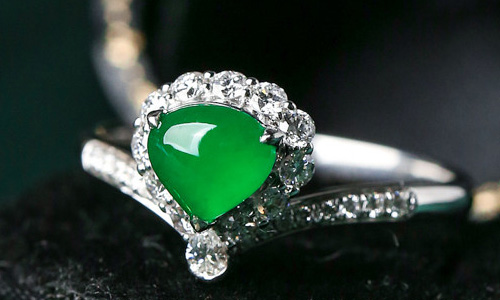
The color of jade should be as even as possible across the entire surface. High-quality jadeite displays a consistent, saturated hue with no dull patches or unexpected color shifts. In green jade, look for a vivid, lively green rather than a flat or grayish tone. Small variations are natural and add character, but large blotchy areas or visible color zoning indicate lower quality. Browse our necklace collection for pieces with excellent color consistency.
2. Translucency — How Light Passes Through
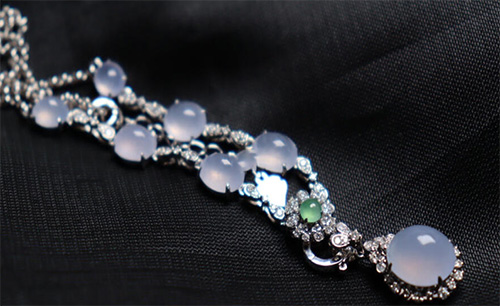
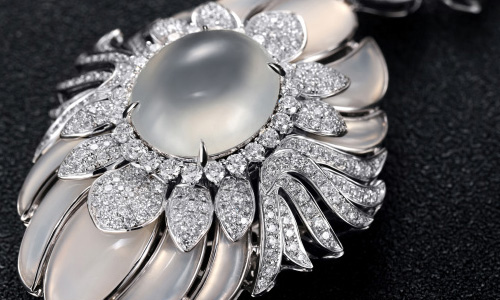
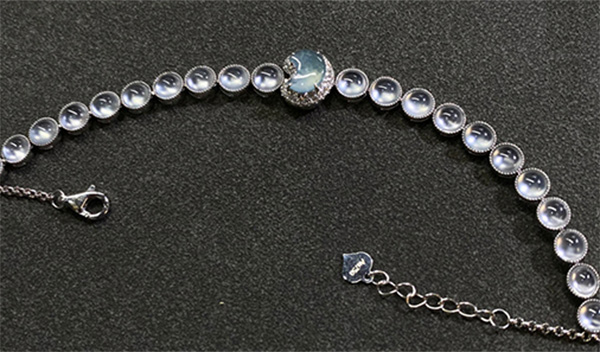
Hold a jade piece up to a light source. High-quality jade will allow some light to pass through, creating a soft inner glow. The more translucent the jade, the higher its grade. Opaque jade with no light penetration sits at the lower end of the quality spectrum. Translucency is especially visible at the edges of a cabochon or along thin carved sections.
3. Surface Polish and Smoothness
Run your fingertip across the jade surface. Premium jade should feel glass-smooth with no rough spots, pits, or grainy texture. The polish should have a mirror-like quality that reflects light evenly. Poor polish — or no polish at all — makes the jade look dull and lifeless, regardless of how good the underlying color is. This is one of the most reliable jade jewelry quality indicators you can assess by touch.
4. Absence of Cracks and Visible Flaws
Examine the piece under good lighting from multiple angles. Look for hairline cracks, especially along the edges and settings. Surface-reaching cracks compromise durability and significantly reduce value. Small internal inclusions — called “stone flowers” in the jade trade — are acceptable and even add character, but cracks that break the surface are deal-breakers. Check our jade ring collection for carefully inspected, flaw-free pieces.
5. Setting Craftsmanship and Metal Quality
A high-quality jade stone deserves a high-quality setting. Check that the metal — whether gold, silver, or platinum — is well-finished with no rough edges or visible solder marks. Prongs should grip the stone securely without covering too much of its surface. The bail on a pendant should be sturdy and properly attached. A poorly made setting can damage the jade over time and signals that the seller cut corners overall.
Common Treatments That Affect Jade Value
Not all jade on the market is in its natural state. The jade trade recognizes three levels of treatment: Type A jade is natural and untreated — the gold standard. Type B jade has been acid-washed and polymer-impregnated to improve appearance. Type C jade has been dyed to enhance or change its color. Type B and C jade is significantly less valuable and should always be disclosed by the seller. Always ask for a certificate that confirms the treatment status.
According to Lotus Gemology, proper identification of jade treatments requires specialized equipment — which is why buying from reputable sellers who provide independent lab certificates is essential for any serious buyer making an informed purchase.
Questions to Ask the Seller Before Buying
Before purchasing any jade piece, ask three things: Is this Type A natural jade? Can you provide a lab certificate? What is your return policy if I am not satisfied? A confident seller will answer all three without hesitation. If they dodge the question or claim that certificates are unnecessary, that is your signal to walk away.
Frequently Asked Questions
Does the origin of jade affect its quality?
Origin can influence value — Myanmar jadeite commands the highest prices — but quality should always be judged on the individual piece, not the origin label. Excellent jade comes from multiple sources.
Can I tell jade quality from a photograph?
Photos can reveal color and general appearance, but they cannot show translucency or surface texture accurately. Always request a video or, ideally, examine the piece in person before making a significant purchase.
How important is the certificate for jade jewelry?
Extremely important. A certificate from a reputable gemological lab confirms the jade’s authenticity, treatment status, and sometimes its grade. It is your best protection against overpaying for treated or imitation stones.
Learning to assess jade jewelry quality is an investment that pays off with every purchase you make. Armed with these five criteria — color, translucency, polish, flawlessness, and setting — you can shop with confidence and choose pieces that are beautiful, authentic, and built to last. Visit our shop to explore quality jade jewelry curated with care.