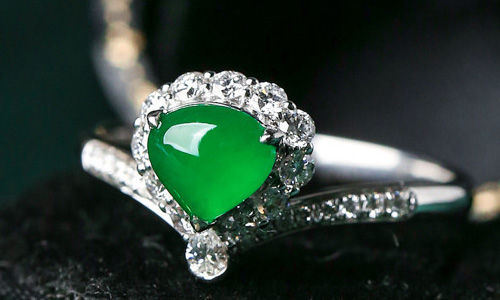
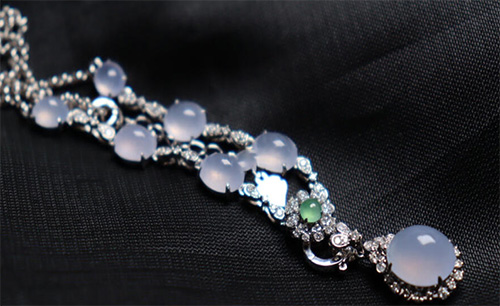
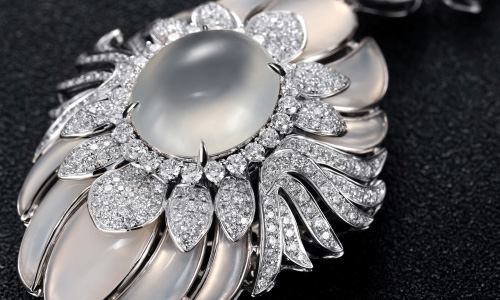
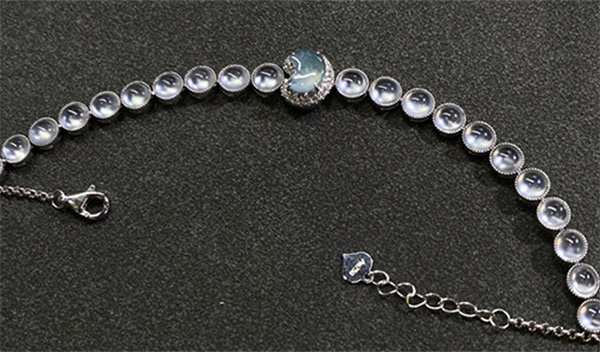
In an era where wellness practices from crystal therapy to mindfulness meditation have entered the mainstream, jade stone for healing stands out as one of the most historically revered gemstones in holistic traditions. For over 5,000 years, civilizations across China, Mesoamerica, and New Zealand have turned to jade as a stone of balance, protection, and vitality. Modern wellness enthusiasts are rediscovering these ancient applications, incorporating jade into daily routines through佩戴 (wearing), meditation, and skincare tools. While scientific research on crystal healing continues to evolve, the cultural and symbolic traditions surrounding jade offer a rich framework for intentional self-care. Here are seven healing properties that jade stone is traditionally believed to support.
Why Jade Stone for Healing Has Endured Across Cultures
What makes jade unique among healing stones is the remarkable consistency of its reputation across vastly different cultures. The Maya valued jade as a stone of life and fertility. Chinese emperors drank from jade cups believing it promoted longevity. Māori carvers in New Zealand created hei-tiki pendants from jade to honor ancestors and channel protective energy. Gemologists at Lotus Gemology note that jade’s consistent cultural association with well-being across independent civilizations suggests something genuinely distinctive about the stone’s presence and appeal. Whether explained through mineral composition, piezoelectric properties, or simply the psychology of wearing a meaningful object, jade’s healing reputation has proven remarkably durable.
7 Jade Stone Healing Properties to Know
1. Emotional Balance and Inner Calm
The most widely recognized property of jade is its ability to promote emotional stability. In crystal healing traditions, jade is considered a “dream stone” that calms the nervous system and helps release negative thought patterns. Wearing jade jewelry for healing—particularly close to the heart as a pendant—is believed to create a stabilizing influence throughout the day. Many practitioners recommend keeping a jade stone under your pillow for restful sleep and vivid, insightful dreams.
2. Heart Chakra Activation
In Ayurvedic and yogic traditions, green jade is strongly associated with the heart chakra (Anahata). Wearing jade stone for healing near the heart center is believed to open pathways for compassion, forgiveness, and unconditional love. This association makes green jade pendants and necklaces particularly popular among those seeking to deepen emotional connections or recover from heartbreak. The stone’s gentle green color itself has a naturally soothing effect on the visual system.
3. Physical Vitality and Stamina
Traditional Chinese medicine has long associated jade with physical vitality. Ancient texts describe jade as concentrating “qi” (life force energy) and supporting the body’s natural healing processes. While modern science approaches these claims differently, the practice of wearing jade bangles on the wrist—which allows the stone to maintain constant skin contact—remains popular in Asian cultures as a way to maintain energetic flow and physical resilience throughout demanding days.
4. Stress Relief Through Touch
The physical properties of jade make it uniquely suited for tactile stress relief. Jade’s naturally cool temperature and smooth, polished surface create a soothing sensory experience when held in the palm or pressed against the skin. This is the principle behind jade rollers and gua sha tools, which have become mainstream wellness staples. The simple act of holding a smooth jade stone during moments of anxiety can activate the parasympathetic nervous system, much like a grounding technique. Explore our bracelet collection for pieces designed for comfortable daily wear.
5. Mental Clarity and Decision-Making
Jade has been called the “stone of harmony” because it is believed to help integrate different perspectives and support clear thinking. In meditation practices, holding jade is thought to quiet mental chatter and create space for intuitive insight. This property makes jade an excellent companion for professionals facing complex decisions—wearing a jade ring or keeping a palm stone on your desk serves as a tactile anchor for centered, calm thinking.
6. Protection and Grounding
Across many cultures, jade serves as a protective talisman. Ancient warriors carried jade into battle; travelers wore it for safe passage. In modern wellness practice, this protective quality translates into emotional grounding—creating a sense of stability and safety in chaotic environments. Wearing jade jewelry for healing as a daily amulet can provide a subtle psychological anchor, especially during periods of transition or uncertainty. Our necklace collection offers designs that honor jade’s protective symbolism.
7. Self-Nourishment and Worthiness
Perhaps jade’s most profound healing property is its association with self-love and worthiness. The stone encourages its wearer to slow down, be gentle with themselves, and recognize their own value. In a culture that often glorifies productivity over well-being, carrying or wearing jade serves as a tangible reminder to practice self-nourishment. This is why jade makes such a meaningful gift—it carries the message “you deserve care” in its very substance.
Incorporating Jade into Your Wellness Routine
Start by choosing one jade piece that resonates with you—a pendant for heart-centered work, a bangle for vitality, or a palm stone for meditation. Hold it each morning and set an intention for the day. Over time, the stone becomes a conditioned trigger for the calm, centered state you associate with it. Whether you approach jade from a spiritual, psychological, or aesthetic perspective, its presence in your daily life adds a layer of intentional self-care that few other objects can provide. Visit our shop to find a jade piece that speaks to your wellness journey.
The tradition of jade stone for healing spans millennia and crosses every continent where the stone has been treasured. Whether you approach it through ancient wisdom or modern mindfulness, jade invites you to slow down, breathe deeply, and reconnect with the balanced, harmonious state that is your natural birthright.
Frequently Asked Questions
Which jade color is best for healing purposes?
Green jade is the most universally associated with healing, particularly heart-centered emotional work. Lavender jade supports spiritual connection and intuition, while black jade is considered especially protective. Choose the color that resonates most strongly with your personal intention.
How long does it take for jade to show healing effects?
Experiences vary widely. Some people report immediate calming effects from holding or wearing jade, while others notice subtle shifts over weeks of consistent use. The key is regularity—wearing jade daily allows the stone to become integrated into your energetic routine, deepening its perceived effects over time.
Can jade healing properties work alongside medical treatment?
Jade healing traditions complement but never replace professional medical care. Many people find that wearing jade supports their overall sense of well-being during medical treatments, providing emotional comfort and a sense of active participation in their healing journey. Always consult healthcare professionals for medical concerns.